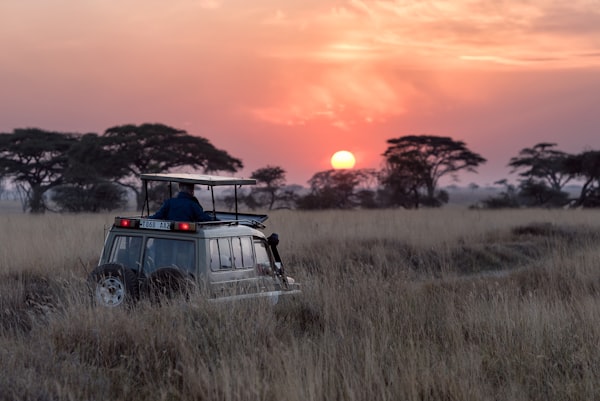
First-time safari planners almost always start with the same question — "which country?" — and almost always get the same unhelpful answer, because the honest response is that East Africa and Southern Africa offer genuinely different experiences, not just different price tags. Getting this right matters more than any other single planning decision.
East Africa vs. Southern Africa
Kenya and Tanzania: The Migration
Home to the Great Migration and the classic open-plains safari image most people picture. Higher game density in smaller areas, generally more accessible for first-timers, and a well-established tourism infrastructure.
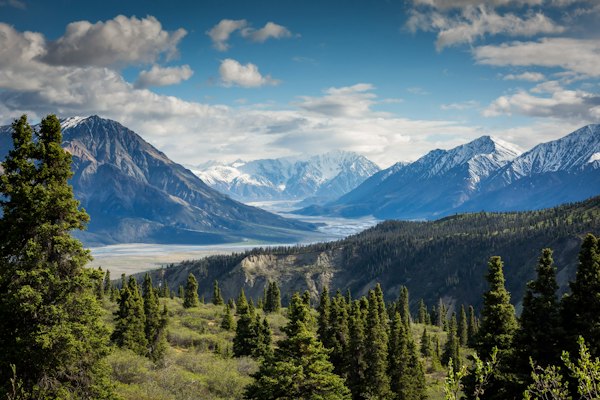
Botswana and South Africa: Quieter, More Varied
Lower visitor density, often smaller private reserves, and terrain that ranges from delta wetlands to bushveld. South Africa in particular offers the most accessible entry point, with excellent self-drive options in Kruger National Park for travelers not ready for a fully guided trip.
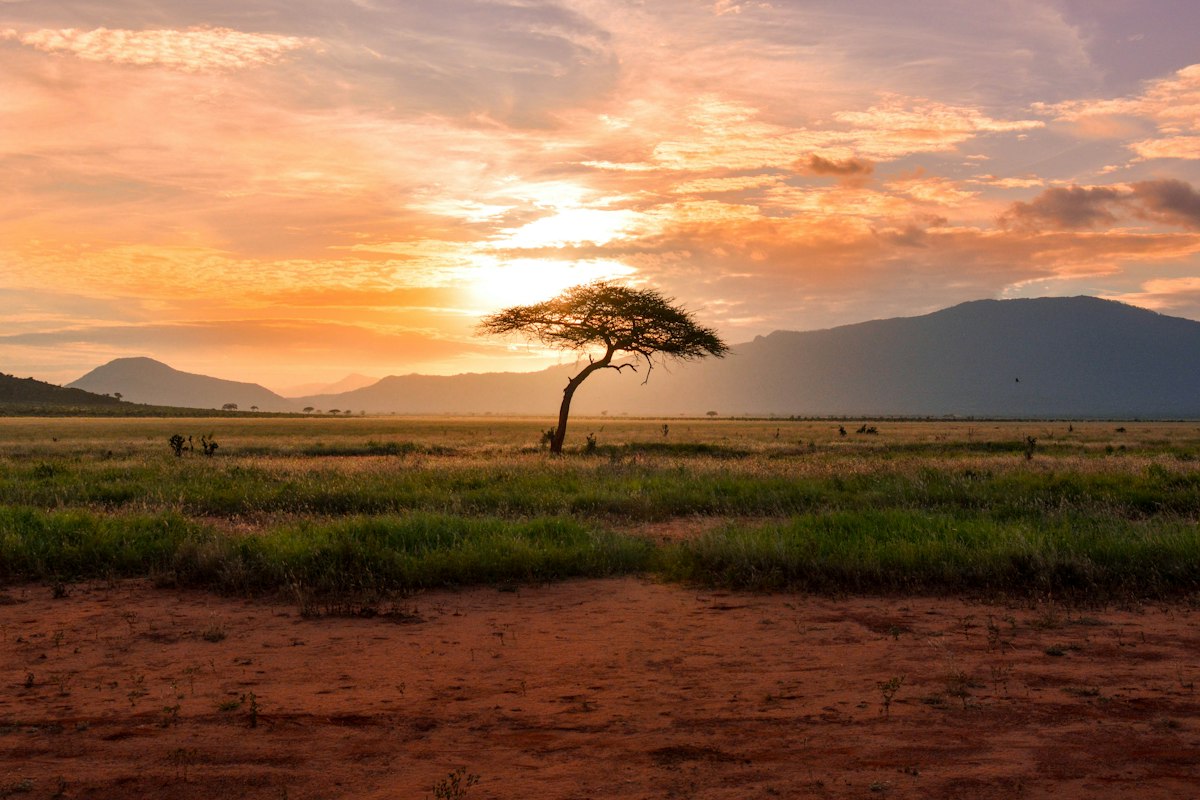
When to Go
June-October: Dry Season
The best overall window for most of Southern and East Africa — animals cluster around limited water sources, making sightings far more predictable.

July-September: Peak Migration
The specific window for river-crossing drama in the Serengeti-Mara ecosystem — also the most expensive and crowded period.
Nov-March: Green Season
Lush landscapes, newborn animals, and considerably lower prices — a genuinely good value window if you don't need peak game density.
Budgeting for a Safari
Real Cost Ranges Per Person, Per Night
- Budget/self-drive (Kruger, camping): $80-150/night, excluding international flights
- Mid-range guided lodges: $300-600/night, typically all-inclusive of meals and game drives
- Luxury private conservancies: $800-1,800+/night, often fully inclusive down to premium drinks and laundry
- Park fees and conservation levies are frequently billed separately from lodge rates — confirm what's included before booking
- Internal flights between parks and camps often cost more than travelers initially budget for
"The moment that actually changes people isn't the lion. It's the silence right before you realize how many eyes are on you that you can't see."
Practical Prep
Health and Documentation
Malaria prophylaxis is recommended for most safari regions — start medication on a travel clinic's recommended schedule, not last minute. Yellow fever vaccination requirements vary by country and by your travel history, so check current entry rules for your specific route well ahead of departure.
What to Actually Pack
Neutral-colored clothing (khaki, olive, tan) rather than bright colors or dark blue, which attracts tsetse flies in some regions. A good pair of binoculars matters more than camera gear for most first-timers — you'll spend more time watching than photographing.
Zentrevo's safari packages span all three budget tiers above and can help match a specific country and season to your priorities — migration timing, budget, or a quieter, lower-density experience — rather than defaulting to the most marketed option.
Frequently Asked Questions
Which African country is best for a first safari?
Kenya and Tanzania are the most classic choice for first-timers due to high game density and established infrastructure. South Africa's Kruger National Park is the most accessible for self-drive safaris.
When is the best time for an African safari?
June-October dry season offers the most predictable wildlife viewing across most regions. July-September specifically covers peak Great Migration season in the Serengeti-Mara ecosystem.
How much does a safari cost per night?
Budget self-drive options run $80-150/night, mid-range guided lodges $300-600/night, and luxury private conservancies $800-1,800+/night, usually all-inclusive.
Do I need vaccinations for an African safari?
Malaria prophylaxis is recommended for most safari regions, and yellow fever vaccination requirements vary by country. Check current requirements for your specific route before departure.