New York's five boroughs stretch across a genuinely huge area, but for a first visit, where you sleep matters more than most cities — it determines how much of your day gets eaten by the subway instead of actually being in the city.
Best for First-Time Visitors
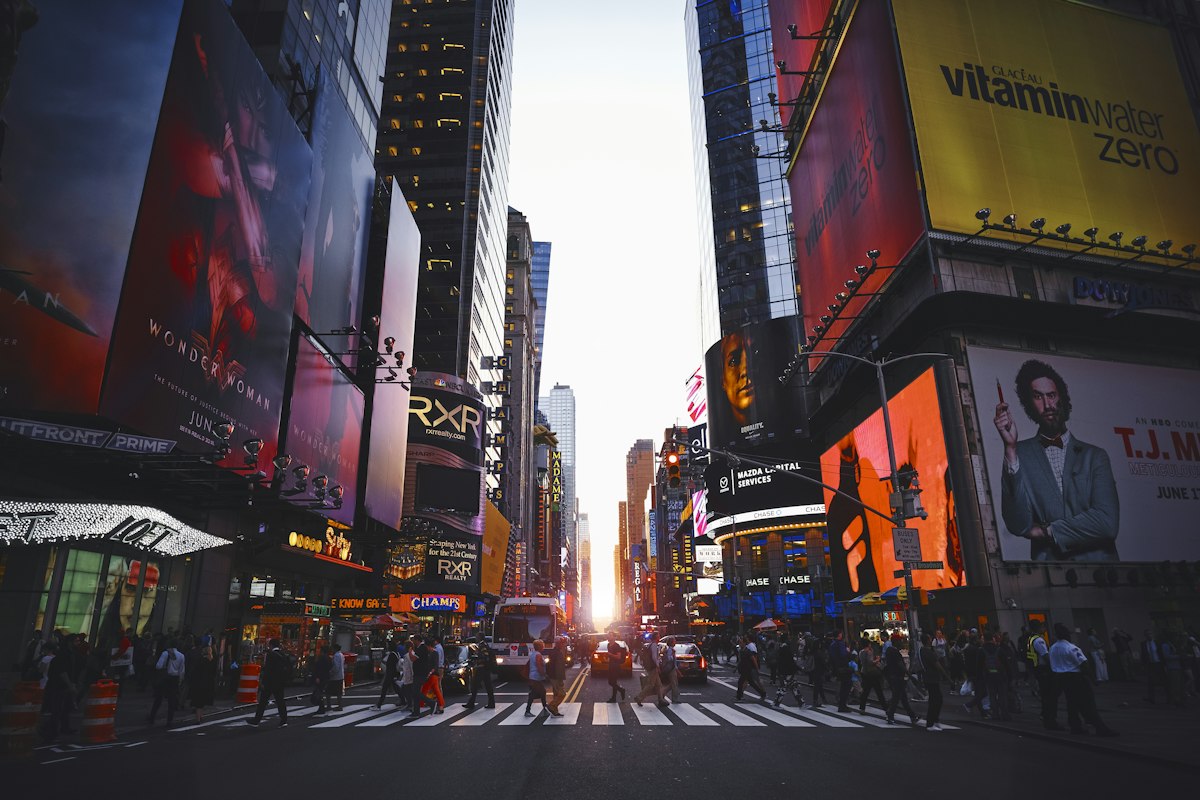
Midtown Manhattan
Central, well-connected by subway, and walkable to Times Square, the Empire State Building, and Central Park. It's touristy and can feel a bit corporate at street level, but the convenience genuinely matters if this is a short first trip and you want to minimize transit time.
Greenwich Village / West Village
Quieter, tree-lined streets with a strong restaurant scene, still an easy subway ride from most major sights. A good pick if Midtown's energy feels like too much but you still want central access.
Best for Nightlife and Younger Travelers
Lower East Side
Dense with bars, live music venues, and a younger crowd, with easy access to SoHo and Chinatown on foot. Less central for daytime sightseeing, but well-connected by subway.
Williamsburg, Brooklyn
Just one subway stop from Manhattan, with a distinctly different, more local feel — good food, vintage shopping, and skyline views across the East River that rival anything from the Manhattan side.
Best for Budget Travelers
Long Island City, Queens
A short subway ride from Midtown, with noticeably lower hotel rates than comparable Manhattan neighborhoods, plus some of the best skyline photo spots in the city right along the waterfront.
Choosing Your NYC Base
- Stay within a few blocks of a subway station regardless of neighborhood — NYC is not a city where you want a 15-minute walk just to reach transit
- Manhattan hotels command a real premium; Brooklyn and Queens can offer 20-40% savings with only a slightly longer commute
- Avoid neighborhoods requiring multiple subway transfers to reach your main planned sights
- Check which subway lines run 24/7 versus limited overnight service if you'll be out late
"The best NYC neighborhood isn't the trendiest one. It's the one where you're not spending an hour a day just getting back to your room."
How Many Nights Do You Need?
For first-time visitors trying to cover the major sights — similar to planning around national parks where pacing matters more than checklist coverage — 4-5 nights covers Manhattan's essentials without feeling rushed, with an extra night or two if you want to properly explore Brooklyn as well.
Zentrevo can help match neighborhood choice to trip style — nightlife-heavy, family-friendly, or budget-focused — and book centrally located accommodation that keeps transit time to a minimum.
Frequently Asked Questions
What's the best area to stay in NYC for first-time visitors?
Midtown Manhattan offers the most convenience for hitting major sights, though Greenwich Village is a good quieter alternative that's still central.
Is it cheaper to stay in Brooklyn than Manhattan?
Generally yes. Neighborhoods like Williamsburg or Long Island City in Queens offer meaningfully lower rates with only a short subway ride into Manhattan.
How many nights should I spend in New York City?
4-5 nights covers Manhattan's major sights at a reasonable pace. Add extra nights if you want to properly explore Brooklyn or other boroughs.
Do I need to stay near a subway station?
Strongly recommended. NYC is large enough that being more than a few blocks from transit adds up fast across a multi-day visit.