Three days in Rome is enough time to see the essentials properly, but only if you resist the urge to cram in a fourth or fifth big sight per day. Rome rewards a slower pace more than almost any other European capital — half the charm is the walk between the landmarks, not just the landmarks themselves.
Day 1: Ancient Rome
Morning: The Colosseum and Roman Forum
Book Colosseum tickets online in advance — lines without a pre-booked slot can eat two hours of your morning. A combined ticket usually covers the Colosseum, Roman Forum, and Palatine Hill, and doing all three back to back makes sense since they're connected on foot.
Afternoon: Trastevere
Cross the river into Trastevere for lunch and a slower afternoon. It's one of the few central neighborhoods that still feels lived-in rather than built entirely around tourism, with narrow lanes that reward wandering without an agenda.
Day 2: Vatican City
Vatican Museums and the Sistine Chapel
This deserves the whole morning, and a pre-booked entry time is close to mandatory in peak season. The Vatican Museums hold one of the largest art collections on earth, and rushing the Sistine Chapel to "get through it" defeats most of the point of going.
Afternoon: St. Peter's Basilica
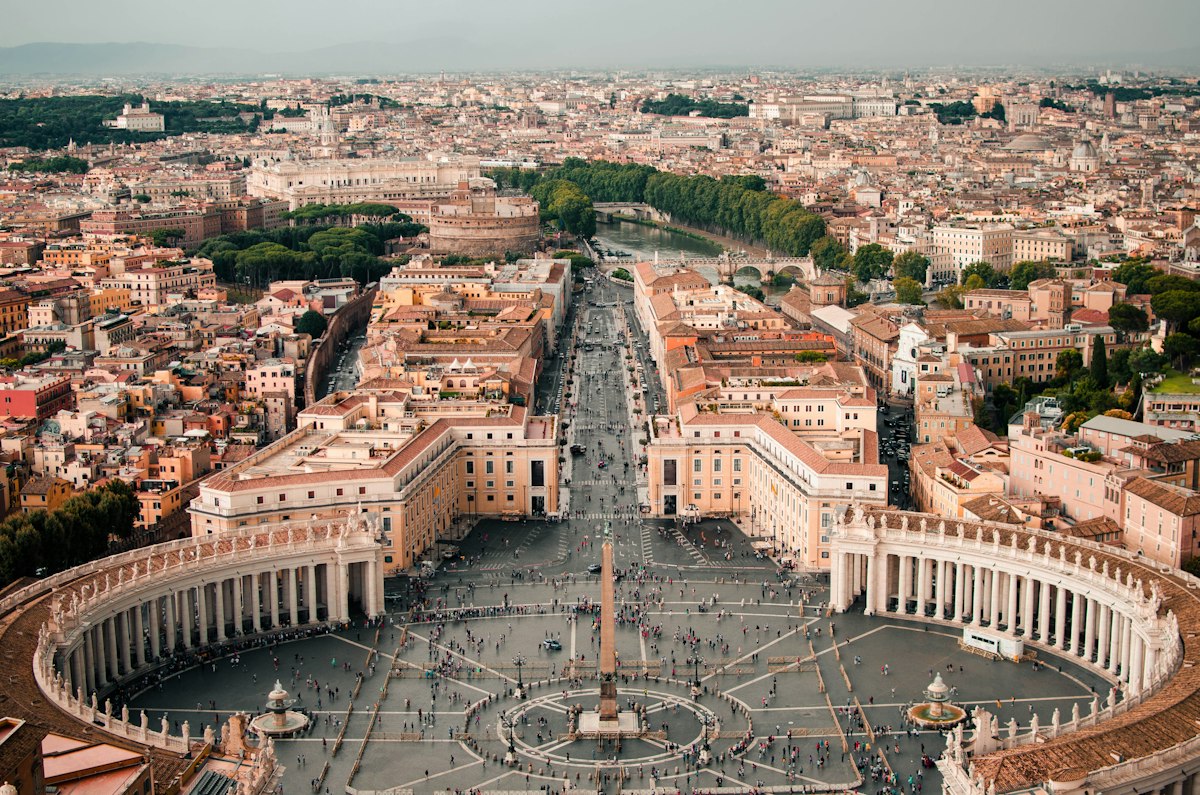
Dress code is enforced — shoulders and knees covered, no exceptions, regardless of weather. Climbing the dome is optional but worth it for the view over St. Peter's Square if your legs have anything left after the museums.
Day 3: Piazzas and Fountains
Pantheon, Trevi Fountain, Spanish Steps
This trio sits close enough together to cover on foot in a morning. Visit the Trevi Fountain early — by mid-morning it's shoulder to shoulder, and the famous coin toss is a lot less charming in a crowd of three hundred people doing the same thing.
Afternoon: Borghese Gardens or a Cooking Class
Save the last afternoon for something unstructured — Villa Borghese's gardens for a slower pace, or a hands-on pasta-making class if you want a souvenir that isn't a magnet.
Rome in 3 Days: Practical Notes
- Book Colosseum and Vatican tickets at least a few days ahead — same-day entry is rarely available in peak season
- Wear real walking shoes; Rome's cobblestones are not forgiving after hour six
- Tap water from public fountains (nasoni) is safe to drink and everywhere — bring a reusable bottle
- Skip the sit-down restaurants directly facing major landmarks; walk two streets back for better food and prices
"Three days in Rome isn't about seeing everything. It's about not trying to."
Is 3 Days Enough?
For the headline sights, yes. For everything Rome actually has to offer — the catacombs, day trips to Ostia Antica, the food markets, a proper Testaccio evening — three days barely scratches it. If this is a stop on a longer European city-break trip, three days works well; if Rome is the whole trip, consider stretching to four or five if your schedule allows it.
Zentrevo can pre-book skip-the-line entry for the Colosseum and Vatican, and build the rest of a 3-day Rome itinerary around actual walking distances rather than an idealized map.
Frequently Asked Questions
Do I need to book Colosseum tickets in advance?
Yes, especially between April and October. Walk-up availability is limited and lines without a pre-booked ticket can run over an hour.
Is 3 days in Rome too rushed?
It's enough for the essential sights if you limit yourself to one major area per day. It won't cover everything Rome offers, but it avoids the burnout of trying to do too much.
What should I skip on a first visit?
Skip trying to fit in day trips like Pompeii or Florence on a 3-day Rome-only visit — it turns every day into a rushed transit day instead of actually experiencing Rome.
Is Rome walkable?
Very. Most major sights sit within a compact historic center, and walking between them is often faster and more enjoyable than taxis or the metro for short hops.