A friend booked a trip to Bogotá and Medellín last year and spent two weeks beforehand fielding the same worried question from nearly everyone she told: "isn't that dangerous?" She came back having had one of the best trips of her year, slightly annoyed at how outdated everyone's mental image of the country still was. Colombia's reputation lags roughly a decade behind its actual current reality, and that gap causes a lot of unnecessary hesitation.
What's Actually Changed
Tourism Has Grown Enormously
Colombia has seen a sustained tourism boom over the past decade, with major cities investing heavily in visitor infrastructure and safety in tourist zones specifically. This doesn't mean every risk from the past is gone, but the country most travelers encounter today is meaningfully different from its reputation.
Risk Is Concentrated, Not Even
As with most countries, safety varies enormously by specific location. Popular tourist areas in Bogotá, Medellín, and Cartagena are generally well-monitored and visited by large numbers of tourists without incident, while certain rural regions still carry real risk and are flagged in official travel advisories.
Safest Cities for Visitors

Medellín
Once synonymous with danger, now one of Latin America's most visited cities, with a well-developed tourist infrastructure in areas like El Poblado.
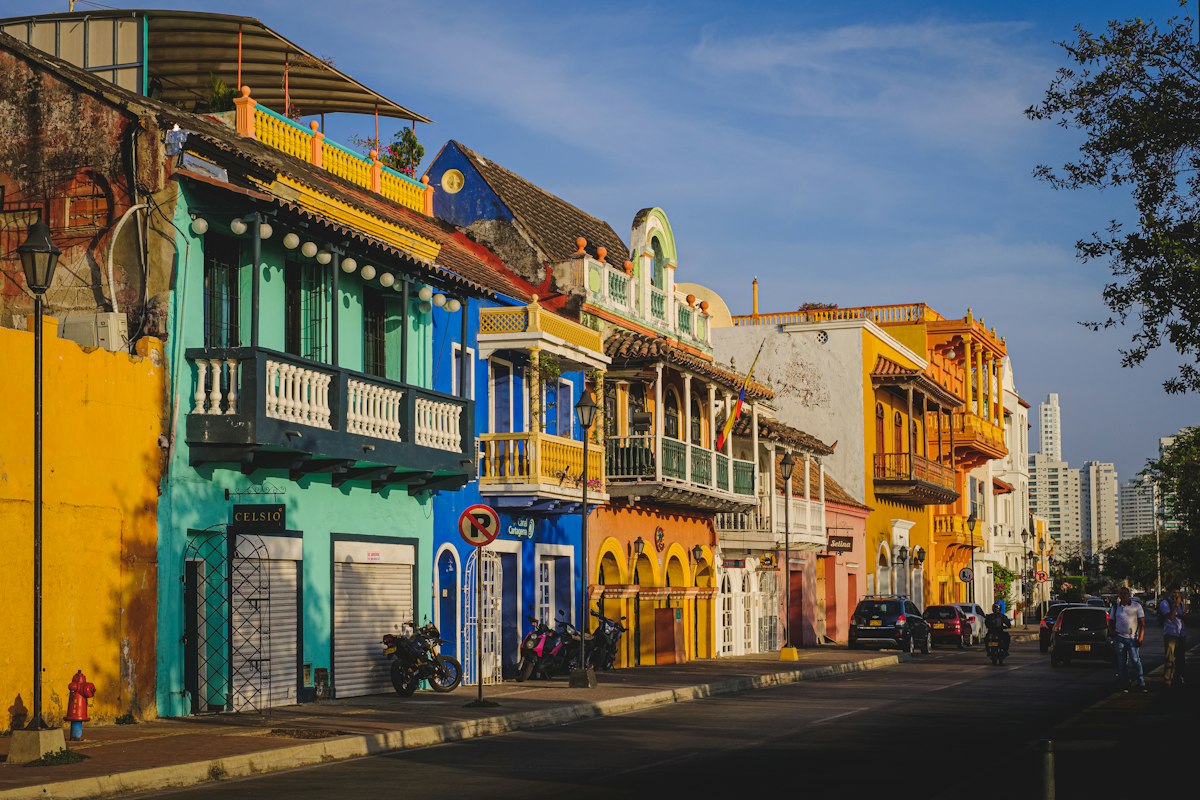
Cartagena
A walled colonial city with a heavy tourism presence and correspondingly strong visitor safety infrastructure in the historic center.
Bogotá
A large capital city with the usual big-city precautions warranted, but well-touristed neighborhoods like La Candelaria and Zona T see heavy safe visitor traffic.
Practical Precautions Worth Taking
- Check current official travel advisories for region-specific guidance before finalizing your itinerary
- Use official taxi apps rather than hailing street taxis, especially at night
- Avoid displaying expensive jewelry or electronics openly in crowded areas — standard advice for most Latin American cities, not unique to Colombia
- Stick to well-touristed neighborhoods after dark, particularly in Bogotá
- Keep copies of your passport and travel documents separate from the originals
"Nobody who's actually been to Medellín recently describes it the way people who haven't been still talk about it."
What Locals and Frequent Visitors Say
The most consistent theme from people who travel to Colombia regularly is that the specific precautions — smart taxi use, situational awareness in crowds, avoiding flashy displays of wealth — are largely the same ones that apply to any major Latin American or Southern European city, not something uniquely demanding about Colombia itself.
Should First-Time Travelers Go?
Yes, with the same baseline precautions you'd apply to any unfamiliar major city. Colombia's combination of culture, food, landscape diversity, and value has made it one of Latin America's fastest-growing destinations for exactly this reason — the actual travel experience has moved considerably faster than the outdated reputation still circulating.
Zentrevo can build a Colombia itinerary weighted toward the most visitor-friendly areas and can flag current region-specific guidance before you finalize any travel plans.
Frequently Asked Questions
Is Colombia safe for tourists in 2026?
Generally yes in well-touristed areas of major cities like Medellín, Cartagena, and Bogotá, with standard big-city precautions. Some rural regions still carry elevated risk.
Which Colombian city is safest for first-time visitors?
Cartagena's walled historic center and Medellín's El Poblado neighborhood are both well-developed for tourism with strong visitor safety infrastructure.
Has Colombia's safety situation actually improved?
Yes, significantly over the past decade, with major sustained investment in tourism infrastructure and safety in visitor-heavy areas specifically.
What precautions should I take traveling in Colombia?
Use official taxi apps, avoid displaying valuables openly, stick to well-touristed areas after dark, and check current official travel advisories before your trip.