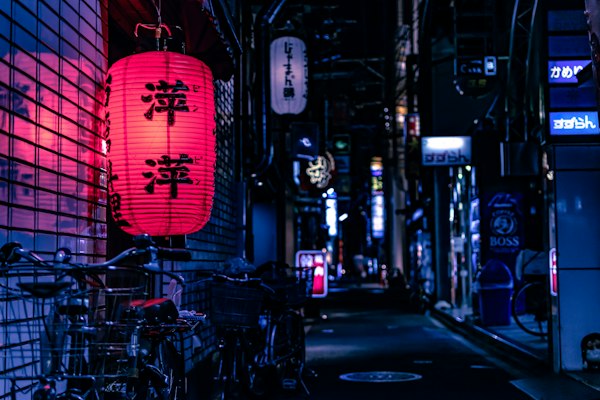
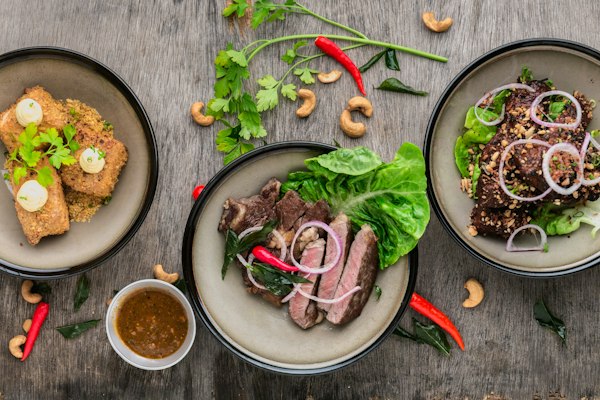
Japan has a way of overwhelming first-time planners before they've even booked a flight — the country feels simultaneously ultra-modern and deeply traditional, and it's genuinely hard to know where to start. This guide pulls together everything that actually matters for a first trip: timing, regions, budget, getting around, and the handful of cultural basics that make the difference between feeling like a tourist and feeling like you belong there, even briefly.
When to Go
Spring (March-May): Cherry Blossoms
The most famous — and most crowded — season. Late March through early April brings peak cherry blossom season around Tokyo and Kyoto, with prices and crowds to match. Book accommodation 4-6 months ahead if this is your target window.
Autumn (October-November): The Underrated Peak
Maple foliage rivals cherry blossoms for visual impact, with noticeably thinner crowds and more temperature-friendly weather for walking. This is quietly the best all-around season for a first trip.
Summer and Winter: Shoulder Considerations
Summer brings heat and humidity, particularly in cities, though it's the season for Japan's best festivals. Winter is cold but clear, and it's when Hokkaido's powder snow season peaks — a genuinely different side of Japan entirely.
Where to Base Yourself
Tokyo
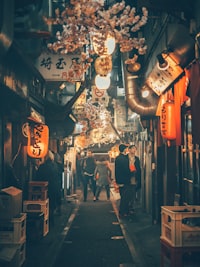
The essential first stop for most itineraries — neon-lit districts, world-class food, and the country's best public transport hub for onward travel.
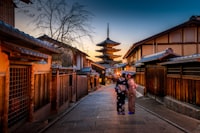
Kyoto
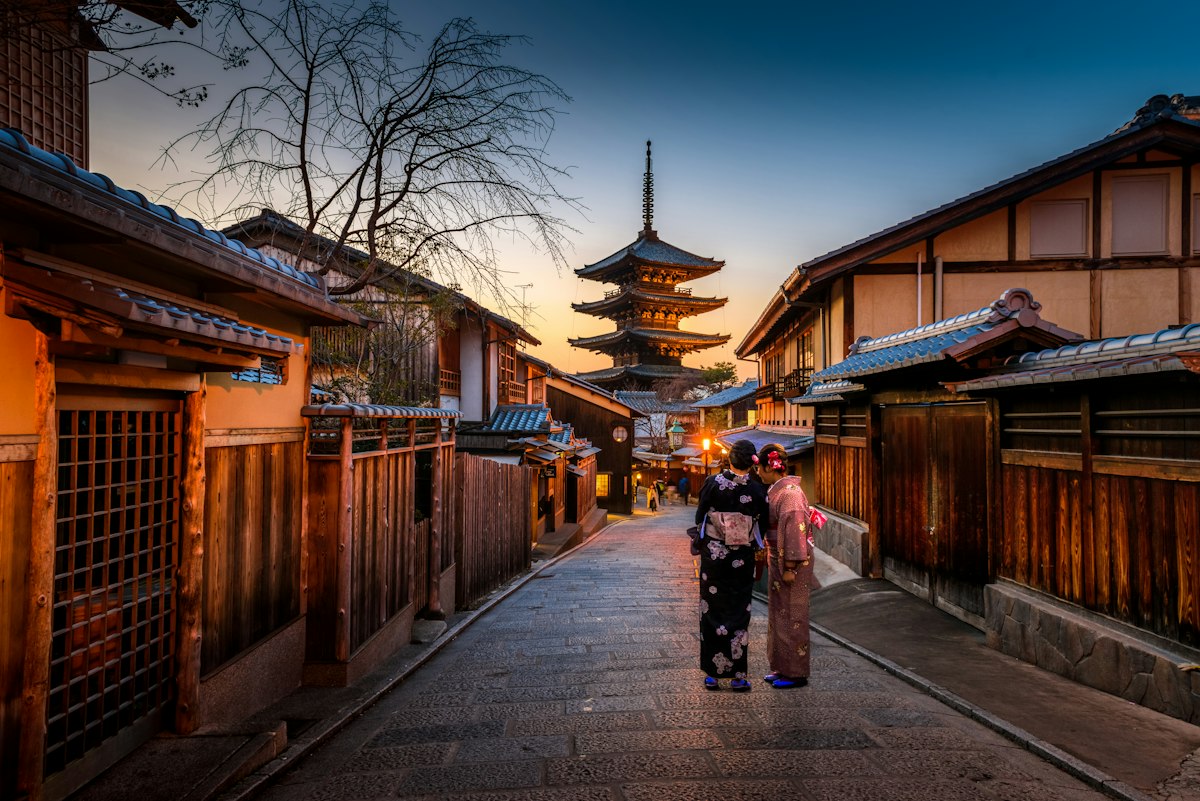
Temples, traditional wooden streets, and Japan's cultural core — most travelers spend 3-4 days here, easily reached from Tokyo by Shinkansen.

Osaka
Known as Japan's food capital, with a livelier, more casual energy than Kyoto — a natural add-on given how close the two cities sit together.
How Long to Stay
This is one of the most common planning questions we get, and it deserves its own answer rather than a rushed guess — see our full breakdown on how many days you actually need in Japan for a realistic split between a first-taste trip and a proper two-week loop.
What It Actually Costs
Daily Budget Ranges
Budget travelers can manage on $60-90/day with capsule hotels and convenience-store-to-street-food eating. Mid-range travelers should plan for $120-180/day with private rooms and a mix of dining. Comfortable trips with nicer ryokan stays and better restaurants run $250+/day.
The JR Pass Question
Whether Japan's national rail pass is worth it depends entirely on your route — a Tokyo-Kyoto-Osaka loop usually makes it pay for itself, while a single-city stay generally doesn't need it. Check current pricing directly, since JR Pass costs have shifted in recent years.
Practical Planning Essentials
- Get a Suica or Pasmo IC card immediately on arrival — it covers nearly all public transport and many convenience store purchases
- Book popular restaurants and teamLab-style attractions in advance; walk-in availability is limited for the best-known spots
- Carry cash — Japan is more card-friendly than it used to be, but many smaller restaurants and shops are still cash-only
- Download offline maps and a translation app before you go; English signage is common in cities but thins out fast in smaller towns
- Check international flight arrival timing for Narita or Haneda specifically, since both can shift depending on season
"Japan rewards planning more than most destinations, but it also rewards travelers who leave a little room to just wander."
Culture and Etiquette Basics
The Essentials That Actually Matter
Remove shoes when entering homes, certain restaurants, and traditional accommodation. Avoid eating while walking in most areas. Keep voices down on trains. Tipping isn't practiced and can actually cause confusion if attempted — it's not considered polite the way it is elsewhere.
Onsen (Hot Spring) Etiquette
Wash thoroughly before entering the communal bath, and note that many traditional onsen still restrict entry for visible tattoos — check policies ahead if this applies to you, since rules vary by establishment.
Combining Japan With Jet Lag Recovery
Japan's time zone is a significant shift for most Western travelers, and arriving well-rested matters more here than on a shorter regional trip — our guide on avoiding jet lag on long flights is worth reading before a Japan-specific itinerary, particularly if you're planning an active first few days.
Zentrevo can build a full Japan itinerary around your specific interests — food-focused, temple-focused, or a genuine first-timer's balanced loop — and handle JR Pass timing, restaurant reservations, and regional connections that are easy to get wrong on a first visit.
Frequently Asked Questions
What is the best time of year to visit Japan?
Spring (cherry blossoms) and autumn (foliage) are the most popular, with autumn generally offering better weather and thinner crowds than the famous spring season.
How many days should a first Japan trip be?
7-10 days covers Tokyo, Kyoto, and Osaka comfortably. See our dedicated guide on how many days you need in Japan for a full breakdown by trip style.
Is Japan expensive to visit?
It can be budget-friendly or upscale depending on your choices — capsule hotels and street food keep costs low, while ryokan stays and fine dining push costs considerably higher.
Do I need to know Japanese to travel in Japan?
No. English signage is common in major cities and tourist areas, though a translation app helps in smaller towns and for reading menus.