Kerala tends to surprise American travelers who've mostly pictured India through the lens of the Golden Triangle — it's a slower, greener, more coastal version of the country, built around backwaters, tea hills, and a genuinely distinct culture and cuisine. If Kerala is on your radar, here's a practical guide to what's actually worth knowing before you go.
Visa and Entry Requirements
American citizens need a visa to enter India, and the e-Visa is the option most travelers use, applied for online before departure. Requirements and processing times can change, so verify current details directly on the official Indian government visa website or with your nearest Indian consulate rather than relying on general guides, including this one. This applies whether Kerala is your only stop or one leg of a broader India itinerary.
Best Time to Visit Kerala
October through March is Kerala's most comfortable window — cooler, drier, and generally the best conditions for both backwater cruises and hill station visits. April and May get hot and humid ahead of the monsoon. The monsoon itself (roughly June through September) brings heavy, sustained rain across the state; it's worth avoiding for a sightseeing-focused trip, though it's also when Kerala's Ayurvedic treatment season is traditionally considered most effective, if wellness is a priority for your visit specifically.
How Many Days to Spend
Given the distance from the US, it's worth budgeting enough time to make the trip genuinely worthwhile. Seven to ten days is a comfortable range for a focused Kerala itinerary — enough for Kochi, the backwaters, and one hill station like Munnar or Thekkady without feeling rushed. If you're combining Kerala with North India (a common pairing), the flight time and jet lag involved make it worth budgeting closer to two weeks total for the combined trip.
Kochi, Munnar, Alleppey, Thekkady, and Varkala
Kochi
The usual starting point — a coastal city with a genuinely layered history (Portuguese, Dutch, and British colonial influence all visible in Fort Kochi's architecture), Chinese fishing nets along the waterfront, and a good base for a day or two before heading inland or to the backwaters.
Munnar
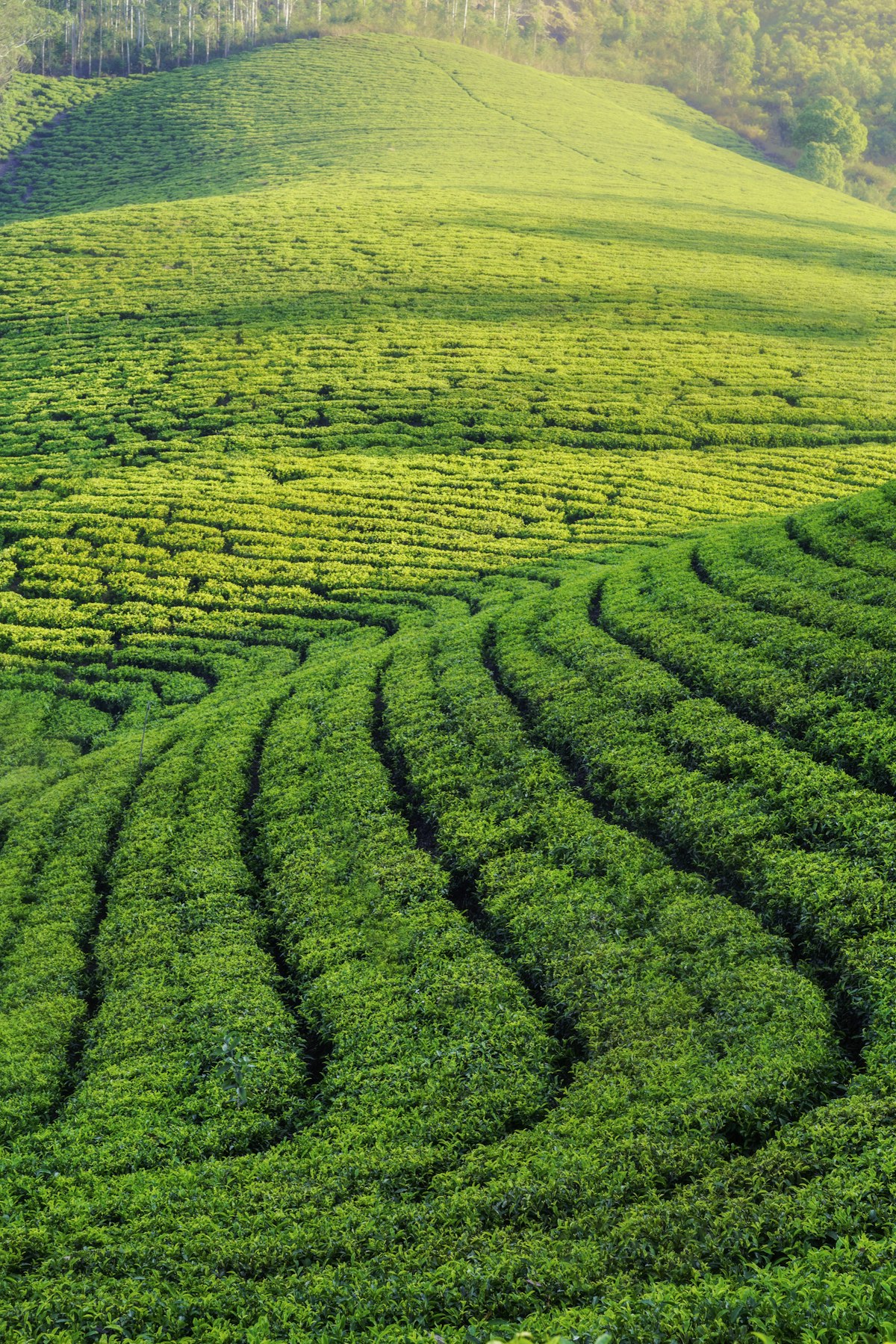
Kerala's tea country — rolling hills covered in tea plantations, a noticeably cooler climate than the coast, and a good change of pace if you want something other than beaches and backwaters.
Alleppey (Alappuzha)
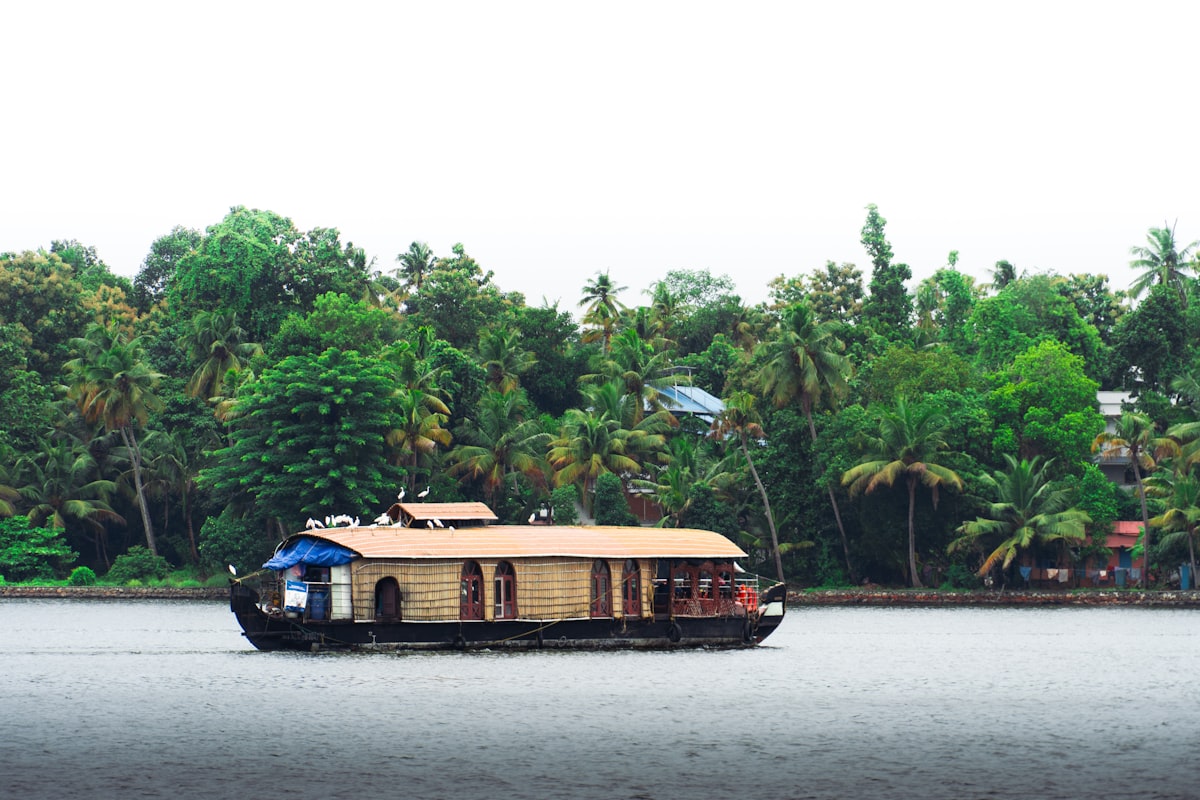
The main gateway to the backwaters and the most common base for a houseboat stay.
Thekkady
Sits near Periyar Wildlife Sanctuary and is the usual base for wildlife viewing and spice plantation visits in Kerala.
Varkala
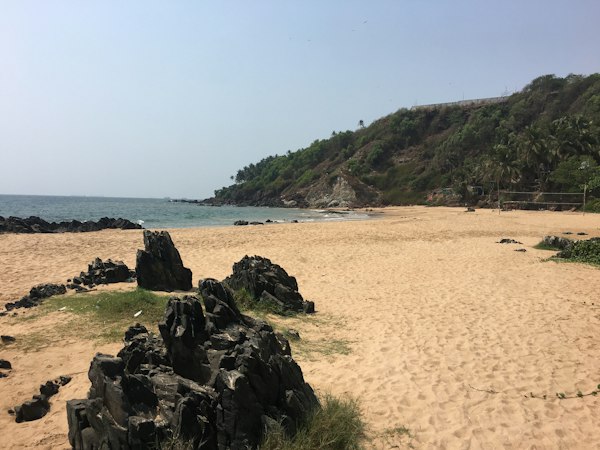
Offers a genuinely different coastal experience from Goa — dramatic red cliffs overlooking the beach, a more laid-back, less built-up atmosphere, and a good final stop if you want a few relaxed days before flying out.
Backwaters and Houseboat Experience
The backwaters are arguably the single most distinctive Kerala experience, and an overnight houseboat stay is worth building into your itinerary if your schedule allows — a day cruise gives you a taste, but an overnight stay lets you actually settle into the slower pace that makes the backwaters worth visiting in the first place. Houseboats vary a fair amount in size and comfort level, so it's worth being clear about what you're looking for when booking rather than assuming they're all interchangeable.
What to Pack
Worth Bringing
- Lightweight, breathable clothing for Kerala's tropical climate, with a lighter jacket or fleece for Munnar's cooler hill climate
- Rain protection — genuinely useful even outside monsoon season, since Kerala sees more rainfall overall than North India
- Modest clothing for temple visits
- Comfortable, breathable footwear, which works better than heavier shoes given the humidity
Kerala Food and Drinking Water
Kerala cuisine is distinct from what most Americans picture as "Indian food" — expect a lot of coconut, rice, seafood along the coast, and a general use of spice that's more about depth and complexity than pure heat. Sadya, a traditional vegetarian meal served on a banana leaf, is worth seeking out at least once.
As with anywhere in India, drink bottled or filtered water rather than tap water, and be cautious with ice in casual settings unless you're confident it's made from filtered water.
Money, Cards, and SIM/eSIM
Cards are widely accepted in hotels, larger restaurants, and shops in cities and tourist areas, but carry cash for markets, houseboat crews, smaller vendors, and rural areas where card acceptance is less consistent. Notify your US bank of your travel dates before departure, and check what foreign transaction fees apply to your card. A local SIM or eSIM is straightforward to arrange, either on arrival or before you travel through an eSIM provider, and makes navigating between Kerala's more spread-out destinations considerably easier.
Getting Around Kerala
Kerala's destinations are genuinely spread out — Kochi, Munnar, Alleppey, and Thekkady aren't close together, and the roads through the hills to Munnar in particular involve a lot of winding turns that take longer than the map distance suggests. Domestic flights connect Kerala to other parts of India (useful if you're combining it with North India), while trains and private cars are the main options for getting around within the state itself.
Private Driver vs Public Transport
Buses and trains connect Kerala's main towns, and are a genuinely workable, budget-friendly option if you're comfortable with some unpredictability and traveling light. That said, given how spread out Kerala's highlights are, and how much the hill roads to Munnar benefit from a driver who knows them well, a private car tends to be the more practical option for a first-time visitor trying to cover Kochi, Munnar, and the backwaters in one trip. It also means door-to-door travel between hotels and houseboats without coordinating separate local transport at each stop.
Local Culture and Temple Etiquette
Kerala has its own regional customs distinct from North India, and some Hindu temples in Kerala restrict entry to non-Hindus or have specific dress requirements — this varies by temple, so it's worth checking or asking locally before visiting a specific site rather than assuming general India temple etiquette applies uniformly. Where entry is open, modest dress (shoulders and knees covered) is the standard expectation, and shoes are removed before entering.
Ayurveda and Wellness Experiences
Kerala is considered the traditional home of Ayurvedic medicine in India, and genuine Ayurvedic treatment centers and wellness retreats are a real draw for a lot of visitors, not just a tourist add-on. If this is a priority for your trip, it's worth researching specific, reputable centers rather than booking a treatment on the spot, since quality and authenticity vary considerably.
Wildlife and Nature Safety
Periyar Wildlife Sanctuary near Thekkady offers boat-based wildlife viewing and guided treks, and standard wildlife safety guidance applies — stay with your guide, keep a respectful distance from any animals you encounter, and follow the sanctuary's specific rules rather than assuming general hiking norms apply. Kerala's backwaters and coastal areas are generally calm, but standard water safety awareness is still worth keeping in mind, particularly around Varkala's cliffs and beach.
Common Mistakes American Tourists Make
Worth Watching For
- Underestimating how long the hill roads to Munnar actually take
- Treating a backwater cruise as a quick day activity rather than building in an overnight stay if your schedule allows
- Not checking temple entry rules before visiting
- Packing for dry heat rather than Kerala's genuine humidity and rainfall
- Skipping travel insurance to save a small amount upfront
Travel Insurance and Health Precautions
Comprehensive travel insurance covering medical treatment, evacuation, and trip disruption is worth arranging before you leave — US health insurance typically doesn't cover care abroad. Check with your doctor or a travel health clinic well before your trip about any recommended vaccinations for Kerala specifically, since recommendations can differ somewhat from North India given the more humid, coastal climate.
"An overnight stay lets you actually settle into the slower pace that makes the backwaters worth visiting in the first place."
Frequently Asked Questions
Do Americans need a visa to visit Kerala?
Yes, the same India visa (typically the e-Visa) applies to Kerala as anywhere else in the country. Verify current requirements on the official Indian visa website before applying.
What's the best time of year to visit Kerala?
October through March, for the most comfortable weather across both the coast and the hill regions. The monsoon (June-September) brings heavy rain and is best avoided for sightseeing.
Is an overnight houseboat stay worth it, or is a day cruise enough?
An overnight stay lets you properly settle into the slower pace that makes the backwaters distinctive. A day cruise is a reasonable option if your schedule is tight, but it's a different, more rushed experience.
Should I hire a private driver or use public transport in Kerala?
Both work, but given how spread out Kerala's main destinations are and how much the hill roads to Munnar benefit from local driving experience, a private car tends to be more practical for a first-time visitor.
Are all Hindu temples in Kerala open to foreign visitors?
No, some restrict entry to Hindus or have specific dress requirements. Check or ask locally before visiting a specific temple rather than assuming general rules apply.
Do I need travel insurance for a trip to Kerala?
Yes, comprehensive travel insurance covering medical treatment and evacuation is strongly recommended, since US health insurance generally doesn't cover care abroad.
Is Kerala safe for American tourists?
Most trips go smoothly with ordinary precautions. Check the US State Department's travel advisory for India before your trip, as conditions can vary and change over time.
Whether Kerala is a standalone trip or paired with North India, we'll help you plan a route that actually fits — the right mix of backwaters, hills, and coast, with private transport where it genuinely helps.