A decade ago, arriving at Seljalandsfoss waterfall at 9am meant having the whole thing practically to yourself. These days, the parking lot fills by 8am in July, and the classic photo — the one where you're standing quietly behind the falls — often means waiting in a short line just to get to the viewpoint. Iceland's popularity exploded over the past several years, and the crowd math has genuinely shifted the best-time-to-visit calculus.
Iceland's Tourist Season, Realistically
June Through August: Peak Everything
This is when Iceland gets genuinely busy — rental cars book out, popular waterfalls and the Blue Lagoon see real crowds, and accommodation prices climb accordingly. The midnight sun is a real draw, but so is everyone else's calendar.
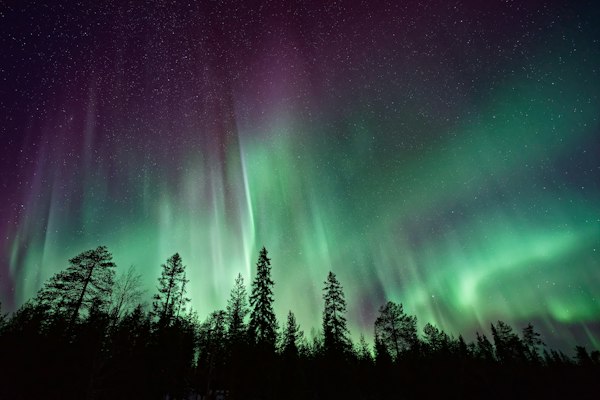
December Through February: Aurora Season, Different Crowds
Winter brings its own crowd, concentrated around Reykjavik and easily accessible aurora-viewing spots, but the Ring Road and remote sites see far fewer visitors than summer.
The Shoulder Season Sweet Spot
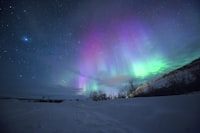
Mid-May
Days are already long, most roads have reopened after winter, and crowds haven't yet reached summer peak. Weather is unpredictable but manageable.
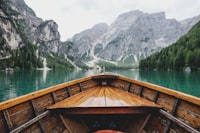
September
Arguably the best all-around month — crowds thin out noticeably after peak summer, prices ease, and aurora viewing becomes possible again as nights lengthen.
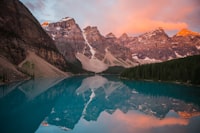
Early October
Still relatively accessible weather-wise on the Ring Road's southern stretch, with genuinely low crowds and a real shot at aurora activity on clear nights.
Crowd-Avoidance Tactics Beyond Timing
- Visit famous stops (Seljalandsfoss, Skógafoss, Gullfoss) at dawn or dusk rather than midday, regardless of season
- Base part of your trip outside Reykjavik — the capital area absorbs most tour-bus traffic
- Book self-drive rather than group tours where possible, for flexibility to skip crowded stops and return later
- Check specific site visitor numbers where available — some popular spots now publish real-time crowd estimates
- Consider the less-visited Westfjords or East Iceland for a genuinely quiet alternative to the Golden Circle
"Iceland in September still has the glaciers, the waterfalls, and a real shot at the northern lights. It just doesn't have the tour bus parked in every photo."
Trade-Offs to Expect
Shoulder season means less predictable weather and shorter daylight than peak summer, plus some highland roads may already be closed by late September. If you're chasing the northern lights specifically, September through March offers dark enough skies, with September and early October giving you a rare combination of aurora chances and comparatively mild weather.
Zentrevo can time an Iceland itinerary around the genuine shoulder-season window for your priorities — aurora viewing, waterfall photography, or simply avoiding the July crowds — since the "best" month really depends on what you're actually there for.
Frequently Asked Questions
What is the least crowded month to visit Iceland?
September is widely considered the best balance — crowds thin significantly after summer peak, prices ease, and aurora viewing becomes possible again.
Is Iceland crowded in winter?
Reykjavik and easily accessible aurora spots see a real winter crowd, but the Ring Road and remote areas are far quieter than during summer peak season.
When is the absolute peak tourist season in Iceland?
June through August, driven by the midnight sun and school holiday travel. Expect higher prices, busier popular sites, and rental car shortages if you don't book ahead.
Can you see the northern lights in September in Iceland?
Yes. As nights lengthen through September, aurora viewing becomes possible again, and the weather is often milder than deeper into winter.